Norlane Dental
Condition · Tooth Sensitivity

Sensitive teeth, understood before treated.



A sharp, sudden twinge from something cold, hot or sweet is a common experience — and a treatable one. At our Norlane practice we look for the cause of your sensitivity first, then talk through the options together after a clinical assessment.

Sensitive teeth Cold, heat, sweet We look for the cause first Treatment after assessment Outcomes vary between individuals Norlane · Geelong · est. 1974 Sensitive teeth Cold, heat, sweet We look for the cause first Treatment after assessment Outcomes vary between individuals Norlane · Geelong · est. 1974
sensitive teeth treatment norlane geelong

Norlane · Geelong
One location since 1974

CEREC milling · in-practice

That sharp twinge is your teeth elling you something. Our job is to listen.


Tooth sensitivity is a common problem, usually felt as discomfort or pain when teeth meet certain foods or extremes of temperature. The sensation is often sharp and sudden — and it tends to recur. The good news is that sensitive teeth can usually be managed once the underlying reason is understood.

Sensitivity rarely disappears on its own. The symptoms may ease, or seem to settle for a while, but unless the cause is addressed they often return. That is why a clinical assessment matters: it lets us identify what is driving the sensitivity for you specifically, and discuss treatment options suited to your situation. Outcomes vary between individuals, and any plan is written and explained, not promised.


Norlane Dental
One location since 1974
What causes it

Common causes of tooth sensitivity.

Several everyday factors can leave teeth feeling sensitive. These are some of the most common — though only a clinical assessment can confirm what is happening in your case.

N° 01
Brushing · Enamel


Aggressive brushing

Brushing too hard can gradually wear away tooth enamel. If you brush more vigorously than you floss, easing your technique can help protect the enamel that shields the tooth.
N° 02
Hygiene · Routine


An infrequent hygiene routine

Skipping a consistent twice-daily routine of brushing, flossing and rinsing lets plaque and tartar build up along the gumline — eventually to a point where only your dentist can remove it.
N° 03
Gums · Recession


Receding gums

Gums can recede slowly and often unnoticed. As they pull back from the teeth, they expose the sensitive root surface and the nerve endings within it.
N° 04
Diet · Acidic


An acidic diet

Frequent bitter or sour foods and drinks can strip enamel over time. Limiting them, drinking through a straw, and rinsing with water afterwards can all help reduce the effect.
N° 05
Diet · Sugary


A sugary diet

Sugary treats such as lollies and cakes encourage the bacteria that contribute to decay and gum irritation — which can, in turn, expose sensitive areas of the tooth.
N° 06
Assessment · Next step


Not sure which applies?

More than one factor can be at play at once, and some causes aren't visible from the chair. A clinical assessment is the most reliable way to find out what's behind your sensitivity.
Managing sensitivity

Care at home, and in the chair.


Some sensitivity can be eased with simple changes at home; other cases are better addressed in the practice. The right approach depends on the cause, which is why every option below follows a clinical assessment.
At home

Everyday steps that can help.


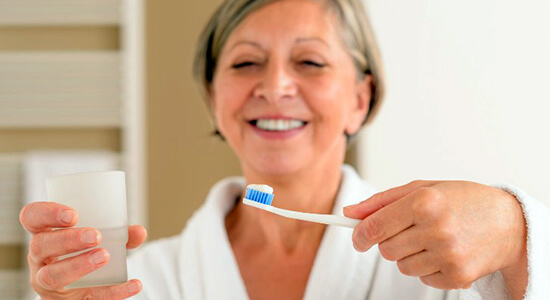
happy smile and toothbrushing

01.

Use a desensitising toothpaste


Toothpastes formulated for sensitive teeth are widely available. Your Norlane dentist can suggest which may suit you.

02.

Switch to a soft-bristled brush


A soft-bristled brush with a small head is gentler on enamel and gums than a firmer one.

03.

Ease off acidic foods and drinks


Limiting highly acidic items — and rinsing with water afterwards — can reduce ongoing wear.

04.

Consider a fluoride mouthwash


A fluoride-containing mouthwash, used daily, may help support enamel and reduce discomfort for some people. It works best alongside a gentle brushing routine, not as a standalone fix.

05.

Address grinding or clenching


If you grind or clench, a custom mouthguard or splint may help — ask us about an assessment.

Treatment options we may discuss with you.

Please note

Options shown are general information only. Suitability is determined for each person after a clinical assessment, and all treatment carries both benefits and risks.

01.
Restorative


Bonding, crowns or inlays

Can address areas of wear or decay that may be contributing to sensitivity. Where appropriate, options include fillings and same-day CEREC crowns.

02.

Preventive


Fluoride gel or varnish

Professionally applied in the practice to help strengthen enamel and reduce sensitivity for suitable patients.

03.

Surgical


Gum graft

Where gum tissue has receded and exposed the root, a graft may help protect it. Suitability is assessed individually — see gum treatments.

04.

Endodontic


Root canal treatment

Considered for persistent, significant sensitivity that hasn't responded to other approaches. Learn more about root canal therapy.

Don't let sensitive teeth get in the way of the things you enjoy. If sensitivity is ongoing, a clinical assessment is the first step toward finding the cause and discussing the options that may suit you.

Sensitive teeth treatment in Norlane, Geelong

Let's find the cause.


For more about sensitive teeth treatment in Norlane, call our team on (03) 5278 2666 or request your appointment online. We'll listen to your concerns, explain what an assessment involves, and find a time that suits you. We're located at 21 Princes Highway in Norlane.


Location

Norlane Dental Aesthetics & Implants

21 Princes Highway
Norlane VIC 3214

Direct line

(03) 5278 2666

Reception is happy to help with enquiries and appointments

Hours

Mon – Thu · 8:30am – 6:30pm
Fri · 8:30am – 5:30pm
Sat · 8:30am – 4:00pm

Parking

Ample free on-site parking

Easy access from the Princes Highway, Norlane

Good to know

Frequently asked questions.


View All FAQs